
Top Body Worn Camera Manufacturer Shenzhen Kexin Technology Expands Public Safety Solutions
SHENZHEN, GUANGDONG, CHINA, October 15, 2026 /EINPresswire.com/ -- Shenzhen Kexin Technology Co., Ltd. is a
Press Release Disclaimer: This is a press release distributed through the XPR Media network. It has not been independently verified by our newsroom.

SHENZHEN, GUANGDONG, CHINA, October 15, 2026 /EINPresswire.com/ —
Shenzhen Kexin Technology Co., Ltd. is a manufacturer of security and protection electronics serving customers in law enforcement, private security, and other professional fields. Established in 2015 and based in Shenzhen, China, the company focuses on the research, development, production, and supply of body-worn cameras and related equipment. Its product portfolio includes video recording devices, camera management systems, Docking Station solutions, and other security electronics. The company also lists electric pulse control devices, including products described as Stun Gun devices, within its broader public safety equipment range. By combining wearable recording technology with supporting equipment, Shenzhen Kexin Technology aims to address the practical needs of organizations that require reliable documentation, organized device management, and coordinated security operations.
Body-worn cameras have become an important tool for documenting professional activities in public safety and security settings. When deployed under clear operational policies, these devices can help record interactions, preserve information for review, and support training and accountability procedures. Their usefulness, however, depends on more than camera specifications alone. Charging routines, secure data handling, device availability, user training, privacy safeguards, and appropriate retention policies all contribute to a successful deployment. Shenzhen Kexin Technology Co., Ltd. addresses several of these requirements through a portfolio that extends beyond recording hardware to include docking and data-management equipment.
A Focus on Body-Worn Camera Manufacturing
Body-worn cameras are compact recording devices designed to be attached to clothing, uniforms, or equipment. Depending on the model, they may support high-definition video, audio recording, infrared night vision, GPS positioning, wireless connectivity, or cellular communication. Different feature combinations suit different operating environments, from routine security patrols to traffic management, facility protection, and other field-based duties.
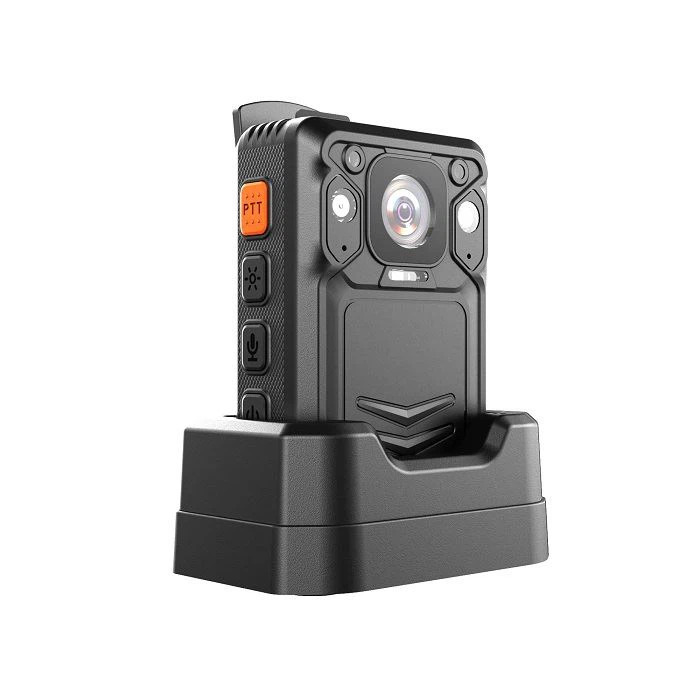
Shenzhen Kexin Technology Co., Ltd. offers a range of body-worn camera products under the ISHOOP name. Its published product categories include police body cameras, security body cameras, law enforcement video recorders, Wi-Fi body cameras, night-vision models, and 4G-enabled wearable cameras. These options give purchasing teams a basis for comparing devices according to recording requirements, connectivity needs, battery capacity, storage, and environmental conditions.
The appropriate configuration depends on the intended use. A security team working inside a commercial building may prioritize straightforward recording and convenient file transfer, while a mobile patrol operation may require GPS functions, extended battery life, or wireless communication. A device intended for outdoor use may need a suitable level of resistance to dust, water, and impact. Buyers should verify the specifications of the exact model rather than assume that all devices share the same features or protection ratings.
Video quality is another consideration, but resolution alone does not determine whether a recording will be useful. Lens angle, low-light performance, microphone quality, exposure handling, storage capacity, and file integrity all influence the resulting evidence. Organizations should assess cameras in realistic lighting and operating conditions before selecting a model for broad deployment.
Docking Station Solutions for Charging and Data Management
In organizations operating multiple cameras, equipment management can become a substantial daily task. Devices must be charged, checked, collected after shifts, and prepared for the next assignment. Recorded files may also need to be transferred to authorized systems, organized by device or user, and handled according to internal evidence-management procedures.
Shenzhen Kexin Technology Co., Ltd. offers Docking Station products intended to help centralize charging and data transfer for compatible body-worn cameras. Its published range includes multi-port docking stations designed to accommodate several devices in one location. Depending on the model and software configuration, a docking station may support simultaneous charging, file uploads, and centralized device management.
Centralized docking can help reduce the need for staff to connect each camera individually. It also provides a designated place for returning equipment at the end of a shift and preparing it for reuse. For departments with multiple users, these arrangements can support more consistent handover routines and make it easier to identify devices that require charging or inspection.
The company’s product information includes an eight-port camera docking station with an all-metal structure, USB connectivity, and software-assisted data management. Specifications such as port count, supported operating systems, storage options, power input, and camera compatibility vary by model and should be confirmed before procurement. Organizations should also establish whether the selected station works with their existing cameras and whether its software supports the required user permissions and record-handling workflow.
Data management is particularly important where recordings may be used for investigations, complaints, internal reviews, or legal proceedings. A docking station is only one part of the overall process. Access controls, encryption where supported, audit records, secure storage, backup procedures, and retention rules should be assessed as part of the complete system. Buyers should confirm exactly which functions are included in the hardware and software package rather than assuming that every docking station offers the same capabilities.
A Complete Approach to Equipment Readiness
Camera availability can directly affect field operations. If devices are not charged, are incorrectly assigned, or have insufficient storage, staff may be unable to record an entire shift or activity. A defined equipment-readiness process helps organizations reduce these avoidable problems.
A centralized Docking Station can form part of that process by providing a consistent location for charging and data transfer. Staff can follow documented procedures for returning devices, checking charging status, confirming that files have transferred successfully, and preparing equipment for the next authorized user. Supervisors can establish routine inspections to identify damaged connectors, worn cables, or other issues before equipment is issued again.
For larger deployments, purchasing teams should evaluate the total operating arrangement rather than considering only the initial device cost. Relevant factors include the number of cameras required per shift, charging time, spare-device availability, docking capacity, data storage needs, software licensing, maintenance, and staff training. A system that fits the organization’s daily workflow may provide more practical value than one selected solely on the basis of headline specifications.
Compatibility is also important when organizations expand an existing fleet. Before ordering additional cameras or docking stations, buyers should verify supported models, connection standards, software versions, and any limitations on simultaneous data transfer. Confirming these details in advance can reduce installation issues and help preserve continuity across equipment generations.
Related Security Equipment and Electric Pulse Control Devices
In addition to wearable cameras and docking systems, Shenzhen Kexin Technology Co., Ltd. lists other security and protection electronics, including electric pulse control devices described as Stun Gun products. These devices serve a different purpose from recording equipment and should be assessed under separate operational, legal, and safety requirements.
For organizations considering any electric pulse control device, procurement decisions should begin with a review of local laws, authorization requirements, permitted users, training obligations, storage rules, and relevant use-of-force policies. Legal status and restrictions vary significantly by jurisdiction, and a product that can be purchased in one market may be restricted or prohibited in another. Buyers should verify applicable rules with qualified legal or regulatory advisers before acquisition or deployment.
Training and governance are as important as product selection. Organizations should establish clear limits on authorized use, documented training procedures, incident reporting, secure storage, maintenance checks, and accountability mechanisms. Any decision to acquire such equipment should be based on a formal assessment of necessity, proportionality, safety, and applicable policy—not simply on product availability.
The distinction between recording technology and control equipment also matters for procurement planning. Body-worn cameras primarily support documentation, while electric pulse control devices are subject to different safety considerations and operational controls. Treating these categories separately helps organizations evaluate their requirements carefully and avoid assuming that one set of standards or procedures is sufficient for both.
Quality Control, Research, and Customization
For professional recording equipment, consistent product performance and reliable support are important considerations. Cameras used in daily field operations may be exposed to frequent handling, changing temperatures, vibration, and demanding work schedules. Organizations therefore need to evaluate battery performance, recording stability, image quality, storage reliability, durability, and ease of operation when choosing equipment.
Shenzhen Kexin Technology Co., Ltd. describes its business as covering research and development, production, sales, and service. The company also identifies OEM and ODM services among its capabilities, including customized product and enclosure design. These services can be relevant to distributors and equipment brands that require specific product configurations, packaging, or branding arrangements.
A structured product evaluation should include sample testing, review of technical documentation, and confirmation of the intended operating conditions. Buyers should verify recording resolution, available storage, battery capacity, supported connectivity, environmental protection ratings, and compatibility with the proposed docking system. Where data may be used as evidence, the organization should also assess timestamp accuracy, file integrity, access controls, and the procedures available for exporting and preserving recordings.
Customization does not remove the need for verification. Any changes to hardware, firmware, connectors, or software may affect compatibility or product performance. Organizations should request updated documentation for the final configuration and confirm that the delivered product meets the requirements agreed upon during procurement.
Applications Across Public Safety and Professional Security
Body-worn cameras can support a range of professional environments, including police departments, private security companies, traffic management teams, facility operators, emergency services, and selected commercial workplaces. In each setting, deployment procedures should reflect the specific purpose of recording and the applicable privacy and data-protection rules.
For law enforcement and security teams, a clear policy should define when recording begins and ends, who may access the files, how footage is transferred, and how long it is retained. Employees should understand the circumstances in which recording is required or restricted, including situations involving sensitive personal information. Secure handling procedures are particularly important when footage contains information about members of the public, witnesses, employees, or ongoing investigations.
Shenzhen Kexin Technology Co., Ltd. also lists applications involving firefighters, medical staff, traffic police, and security personnel. These environments can have different requirements for camera placement, durability, connectivity, and recording procedures. For example, a device used during outdoor patrols may require different environmental protection from one used primarily inside a controlled facility. A deployment involving several teams may also require centralized charging and a clearly defined process for assigning equipment.
As more organizations adopt wearable recording systems, the ability to manage devices throughout their operating life becomes increasingly important. The combination of body-worn cameras and compatible Docking Station equipment can support an organized approach to charging, file transfer, and equipment readiness, provided that the supporting software and procedures meet the organization’s needs.
Outlook for Body-Worn Camera Manufacturing
The market for wearable recording equipment continues to develop as organizations seek practical ways to document field activities and manage digital records. Improvements in connectivity, battery technology, low-light recording, and centralized device management are expanding the options available to professional users. At the same time, procurement decisions increasingly involve data security, privacy, regulatory compliance, and the total cost of operating a camera fleet.
Shenzhen Kexin Technology Co., Ltd. serves this market with body-worn cameras, Docking Station products, accessories, and related security electronics. Its stated OEM and ODM capabilities provide an additional option for buyers with specific product requirements. For organizations evaluating the company, a useful procurement process includes comparing model-specific specifications, testing representative samples, confirming compatibility, reviewing warranty and support arrangements, and checking applicable compliance documentation.
The most suitable system will depend on the operating environment, the number of users, recording requirements, data-management arrangements, and local regulations. By evaluating these factors together, purchasing teams can make more informed decisions about equipment that must remain functional and manageable during routine operations.
About Shenzhen Kexin Technology Co., Ltd.
Shenzhen Kexin Technology Co., Ltd. is a manufacturer of security and protection electronics headquartered in Longhua District, Shenzhen, Guangdong Province, China. Established in 2015 according to the company’s published information, it operates under the ISHOOP brand and focuses on the research, development, production, sales, and service of video and audio recording equipment.
Its product portfolio includes police body cameras, security body cameras, law enforcement video recorders, Wi-Fi body cameras, 4G wearable cameras, night-vision cameras, camera accessories, and Docking Station systems for charging and data management. The company also lists electric pulse control devices and other security-related products. Its OEM and ODM services cover selected customization requirements, including product design and enclosure development.
The company serves professional users and distributors seeking recording equipment and related accessories for public safety, security, and other field applications. Customers should confirm individual product specifications, software compatibility, certification coverage, warranty terms, and local regulatory requirements before purchasing or deploying equipment.
For more information about the company’s products and services, visit www.policebody.com.
Address: Building 8, Changjing Artificial Intelligence Industrial Park, Dalang, Longhua, Shenzhen City 518000, China
Official Website: https://www.policebody.com/
Fiona
Shenzhen Kexin Technology Co., Ltd.
sales@ishoop.com.cn
Legal Disclaimer:
EIN Presswire provides this news content “as is” without warranty of any kind. We do not accept any responsibility or liability
for the accuracy, content, images, videos, licenses, completeness, legality, or reliability of the information contained in this
article. If you have any complaints or copyright issues related to this article, kindly contact the author above.

Media gallery


